
Operation Frankton and the Cockleshell Heroes
On 7 December 1942, ten Royal Marines slipped into the darkness from the submarine HMS Tuna and began paddling towards occupied France.
Ahead of them lay miles of freezing water, powerful tides, enemy patrols and the heavily defended port of Bordeaux. Their mission was Operation Frankton.
Of the ten men who set out in five canoes that night, only two would return home.
Today, some of the deeply personal objects connected to those men survive in the Royal Navy Museums collection. From boots worn during an extraordinary escape through occupied France to a farewell letter written by a man who knew he might never return, they bring us closer to the people behind one of the most daring raids of the Second World War.
Now, their stories form part of the new Royal Marines Experience at Portsmouth Historic Dockyard.
A mission born in Portsmouth
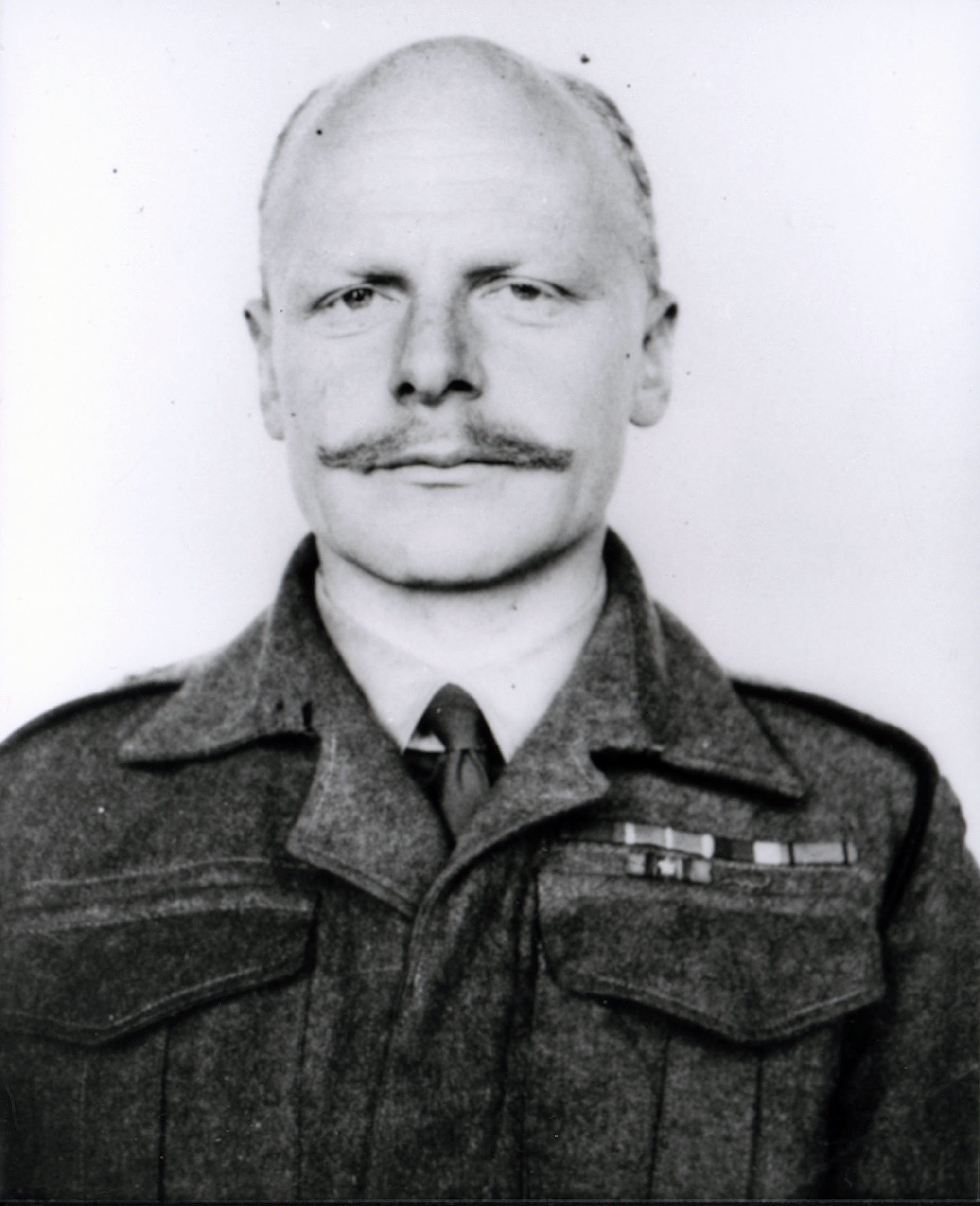
Operation Frankton was led by Major Herbert ‘Blondie’ Hasler of the Royal Marines Boom Patrol Detachment, with Marine Bill Sparks alongside him.
Hasler had developed the idea of using small, two-man canoes to strike enemy shipping in heavily defended ports. It offered a way for a tiny force to approach quietly from the water, reach ships that would otherwise be difficult to attack and disappear again without mounting a much larger assault.
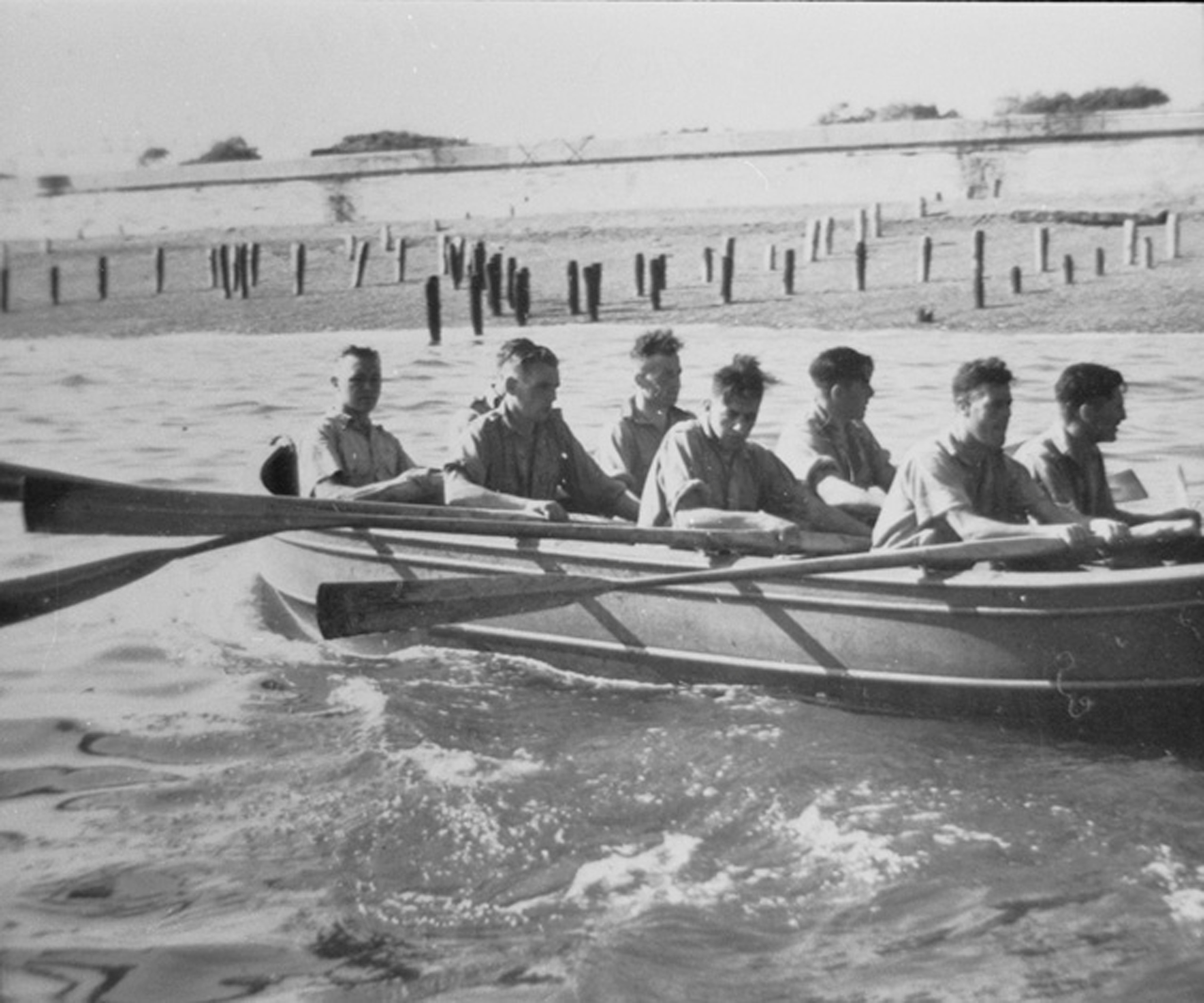
The men who would take part were volunteers, hand-picked for the physical demands of what lay ahead. In the autumn of 1942, they underwent demanding training off Lumps Fort in Southsea, preparing in secrecy for a mission unlike anything most of them had attempted before.
The plan was audacious. They would travel by submarine towards the French coast before continuing in two-man collapsible canoes. Paddling up the Gironde towards Bordeaux, they would attach limpet mines to enemy shipping before attempting to escape overland through occupied France.
On 30 November 1942, HMS Tuna left Holy Loch in Scotland carrying the raiding party and six canoes. By the evening of 7 December, they had reached the waters off France.
One canoe, Cachalot, was damaged while being taken out of the submarine and could not take part. Ten men in five canoes set out into the darkness.
Into the Gironde
Almost immediately, the conditions began taking their toll. The men faced powerful tides, bitter cold and the constant danger of discovery as they attempted to make their way towards Bordeaux.
Coalfish, crewed by Sergeant Samuel Wallace and Marine Robert Ewart, became separated from the others. The two men were later captured. Conger capsized. Corporal George Sheard and Marine David Moffatt were left trying to survive in bitterly cold conditions. Neither returned. The remaining crews continued deeper into the Gironde, paddling under the cover of darkness and hiding during daylight. Eventually, only two canoes reached Bordeaux: Catfish, carrying Hasler and Sparks, and Crayfish, crewed by Corporal Albert Laver and Marine William Mills.
On the night of 11 December, the four men moved amongst enemy shipping and attached limpet mines to their targets, then turned towards the shore. Against extraordinary odds, the resulting explosions would damage six enemy ships, striking a significant blow against German shipping.
Their mission was over, their attempt to survive it was only beginning.
The objects they carried
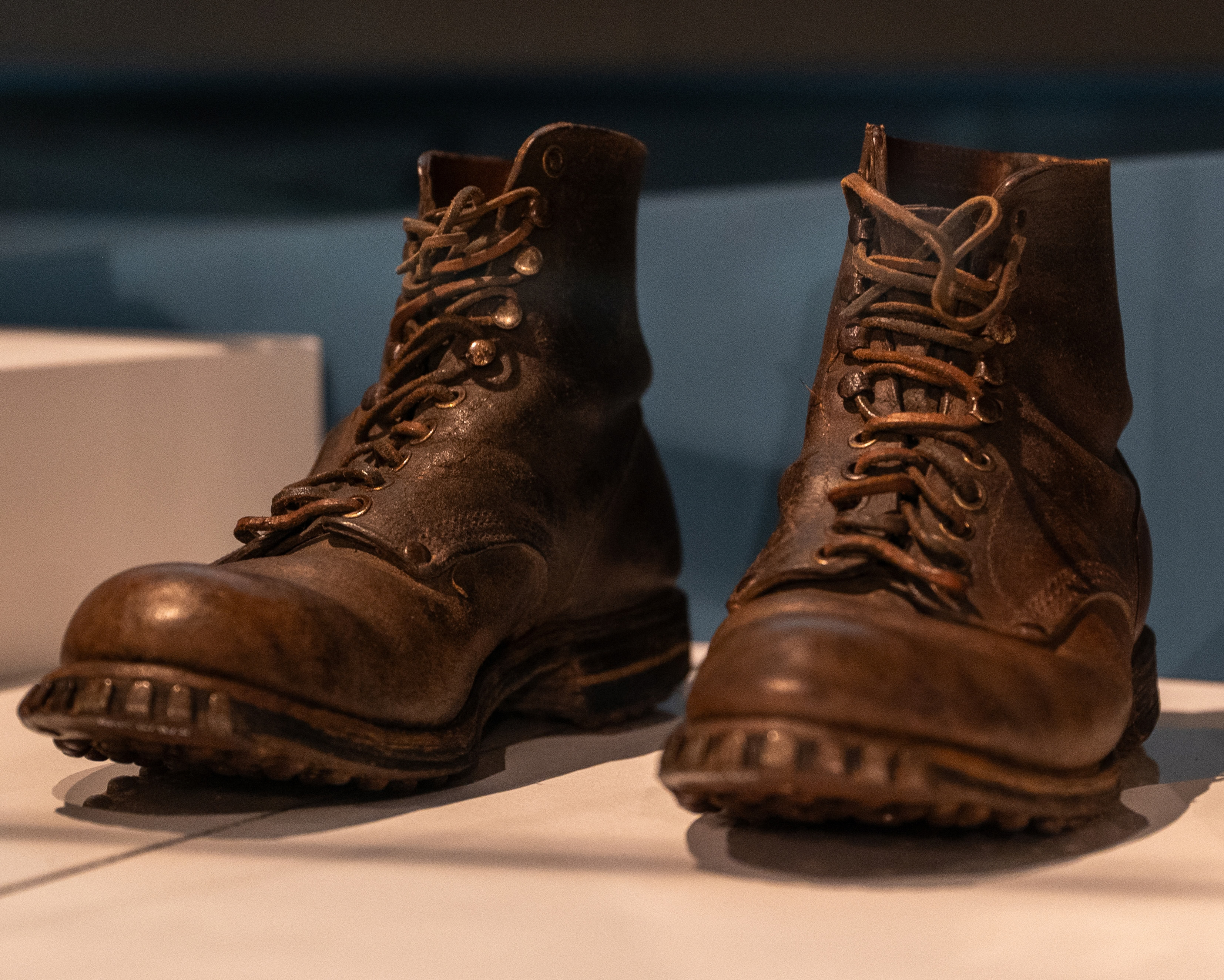
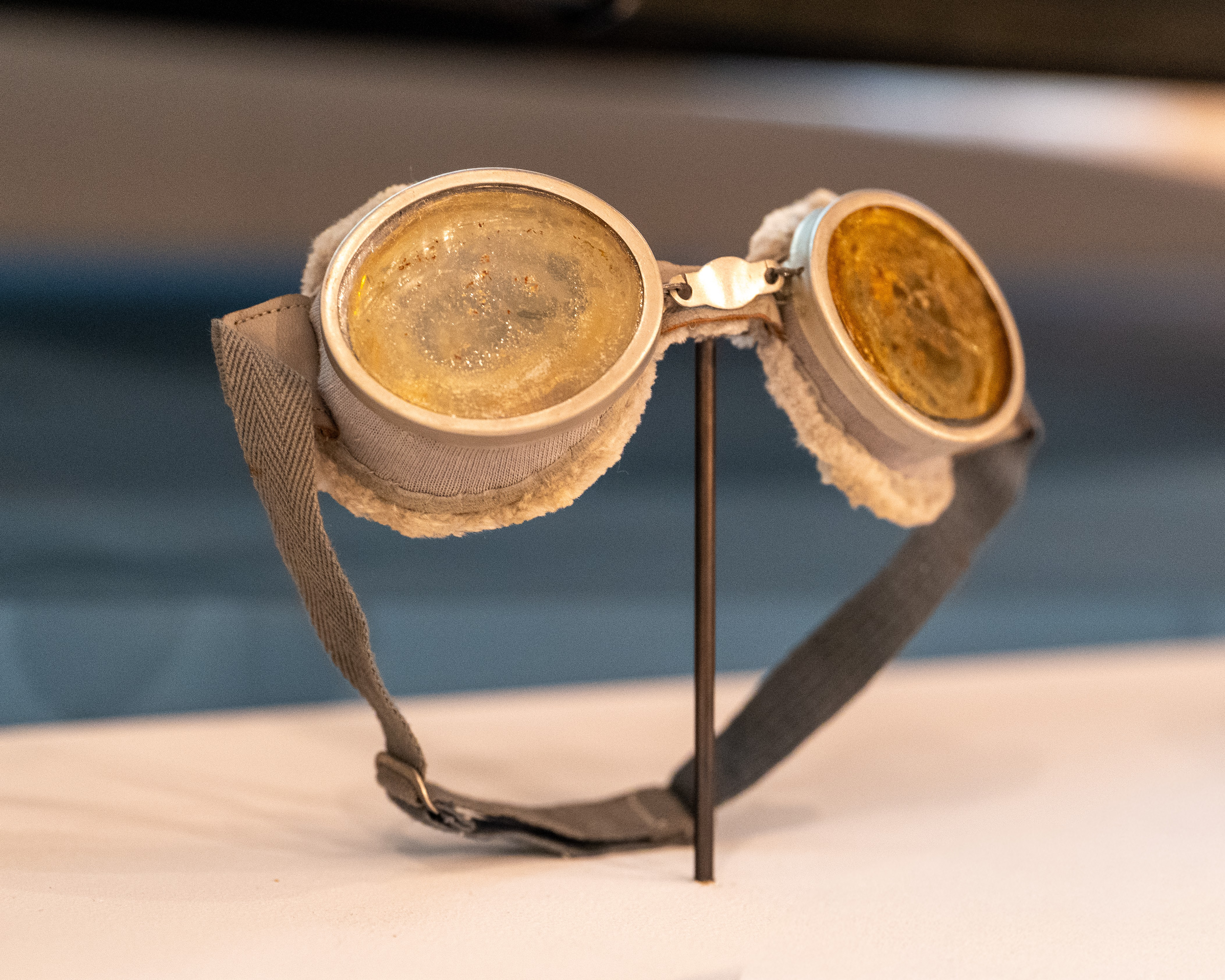
More than 80 years later, objects connected to Operation Frankton still survive. Some are remarkably ordinary. A pair of brown leather ankle boots in the Royal Navy Museums collection belonged to Hasler. They were given to him by a French farmer during his escape through occupied France. After leaving his canoe, Hasler began travelling across France with Bill Sparks. Far from home, moving through enemy-held territory and dependent upon help from local people and escape networks, the pair eventually crossed into Spain before reaching Gibraltar. Hasler's mittens, goggles and map case also survive.
Seen today, these objects take us beyond maps, military plans and accounts of the raid. They connect us to one person's experience of it: paddling through freezing water, leaving his canoe behind and beginning a journey across occupied Europe without knowing whether he would make it home. Hasler did. For Marine Robert Ewart, the story was very different.
A letter in case he didn't return
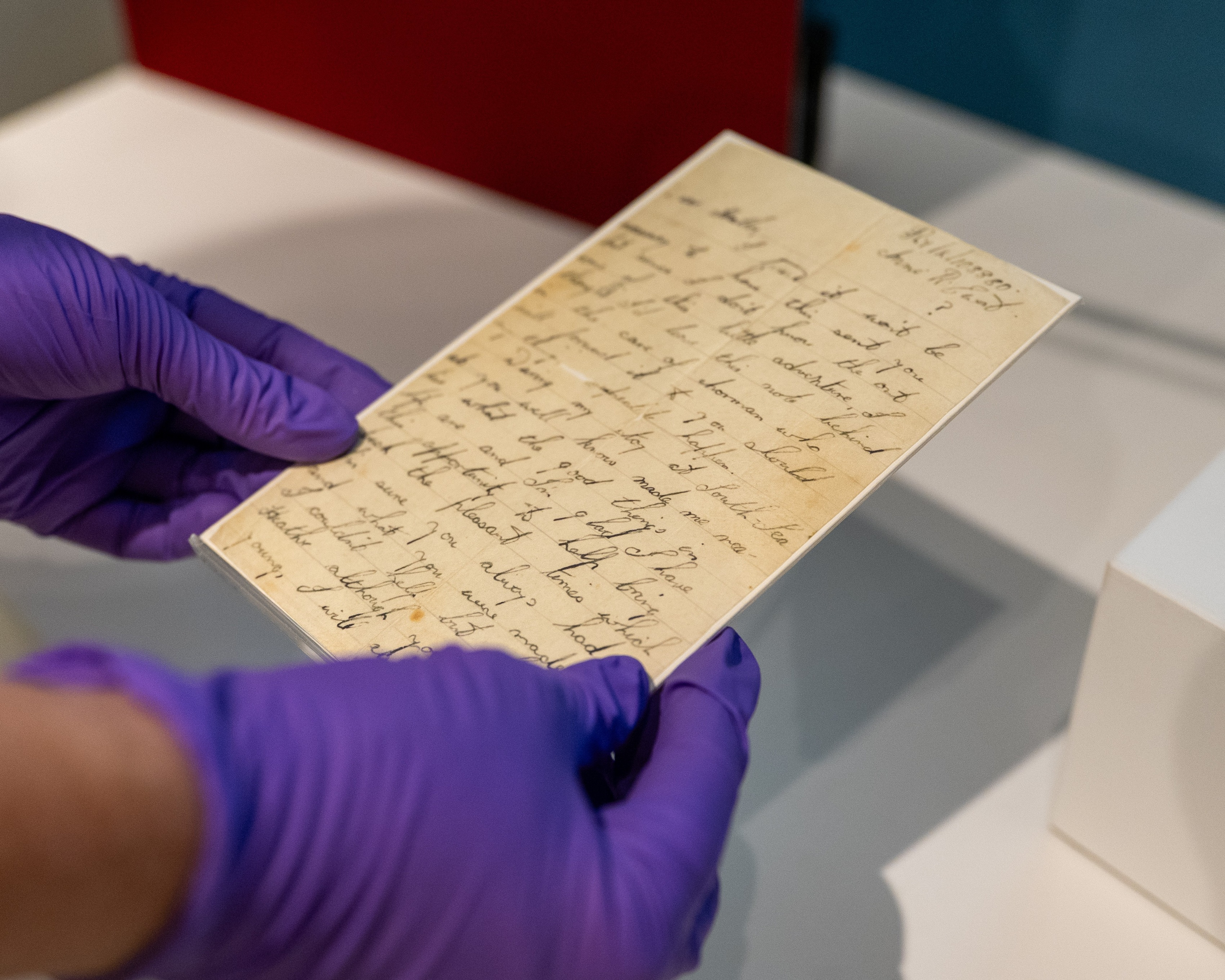
Before Operation Frankton, Ewart wrote a farewell letter to Miss Heather Powell to be read in the event of his death.
Ewart set out aboard Coalfish with Sergeant Samuel Wallace on 7 December. Their canoe became separated from the others during the opening stages of the operation and both men were captured. Neither returned home.
They were among six members of the raiding party captured and executed under Hitler's Commando Order. Corporal Albert Laver and Marine William Mills, who had reached Bordeaux aboard Crayfish, were also captured during their attempted escape, as were Lieutenant John MacKinnon and Marine James Conway of Cuttlefish.
Ewart's farewell letter survives in the Royal Navy Museums collection. Among the equipment, uniforms and objects connected with military service, it is something intensely personal: words written by one man to someone he cared about before setting out on a mission from which he knew he might not return.
Lord Mountbatten, then Chief of Combined Operations, would later write:
“Of the many brave and dashing raids carried out by the men of Combined Operations Command, none was more courageous or imaginative than Operation Frankton.”
Come face to face with their stories
Operation Frankton is remembered for its extraordinary plan, the tiny canoes that carried the raiders towards Bordeaux and the courage required to attempt it. But behind the operation were individual people.
At the Royal Marines Experience at Portsmouth Historic Dockyard, their stories are told through objects that survived them. See the boots given to Blondie Hasler by a French farmer during his journey through occupied France, alongside his mittens, goggles and map case. Come face to face with Robert Ewart's farewell letter, written before he left in case he did not return.
These objects take us beyond the operation itself and closer to the people who lived it, the choices they made and the risks they understood.
Opening at Portsmouth Historic Dockyard on 24 October, the Royal Marines Experience brings together more than 360 years of Royal Marines stories through remarkable objects, personal accounts and immersive experiences.
Discover the people behind the Green Beret and the stories that connect the Royal Marines, the Royal Navy and the nation.
Plan your visit to Portsmouth Historic Dockyard and book online before you arrive to start discovering from the moment you get here.