

21 Biplanes. Six Battleships. One Extraordinary Night.
In November 1940, a small force of Fairey Swordfish aircraft launched a daring night attack against the Italian fleet at Taranto, demonstrating the growing power of naval aviation and changing assumptions about the safety of warships in their own harbours.
On the night of 11 November 1940, twenty-one Fairey Swordfish aircraft took off from the flight deck of HMS Illustrious and headed towards the Italian naval base at Taranto, where six battleships lay at anchor alongside cruisers, destroyers and other warships.
The operation, codenamed Operation Judgement, had originally been scheduled for 21 October, Trafalgar Day, marking 135 years since Nelson's victory in 1805. Operational difficulties delayed the attack until November, but the coincidence provides a striking comparison between two very different eras of naval warfare.
The aircraft themselves were hardly what you might expect from such an ambitious operation. With their fabric-covered wings, open cockpits and relatively low speeds, the Swordfish appeared increasingly outdated in an age of faster, more modern aircraft. Yet their ability to fly slowly and manoeuvre at low altitude made them particularly effective torpedo bombers.
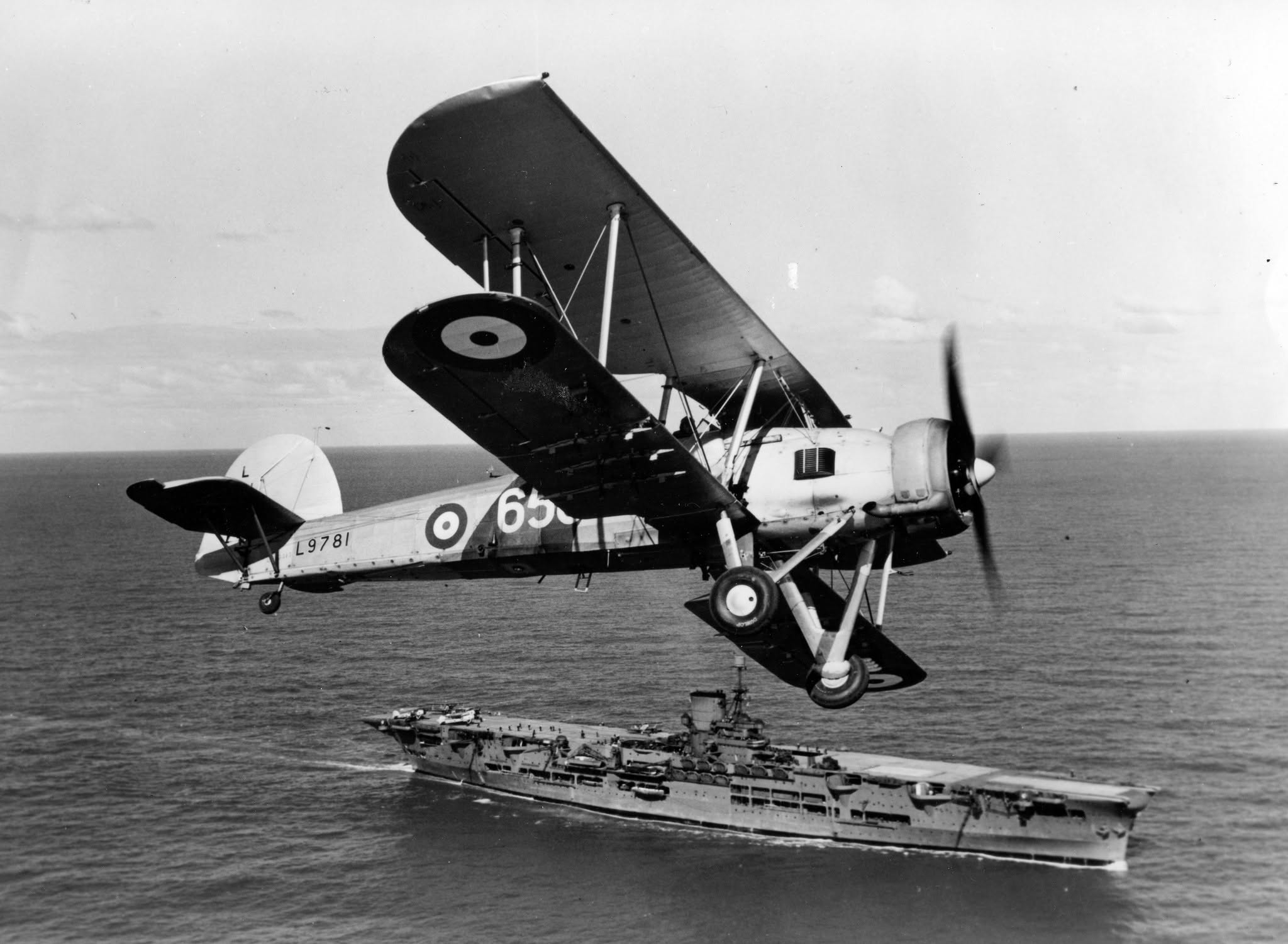
For the aircrews, however, the mission was exceptionally dangerous. Flying at night and over a considerable distance, they faced the challenge of locating a heavily defended harbour protected by anti-aircraft guns, barrage balloons and torpedo nets. Their task was to attack some of the Italian Navy's most powerful warships before returning safely to their carrier.
The Swordfish approached Taranto in two waves, with some aircraft carrying torpedoes while others were equipped with bombs and flares to illuminate the targets. As the first aircraft reached the harbour shortly before 11pm, the Italian defences opened fire, filling the night sky with anti-aircraft bursts while the Swordfish descended towards the anchored ships.
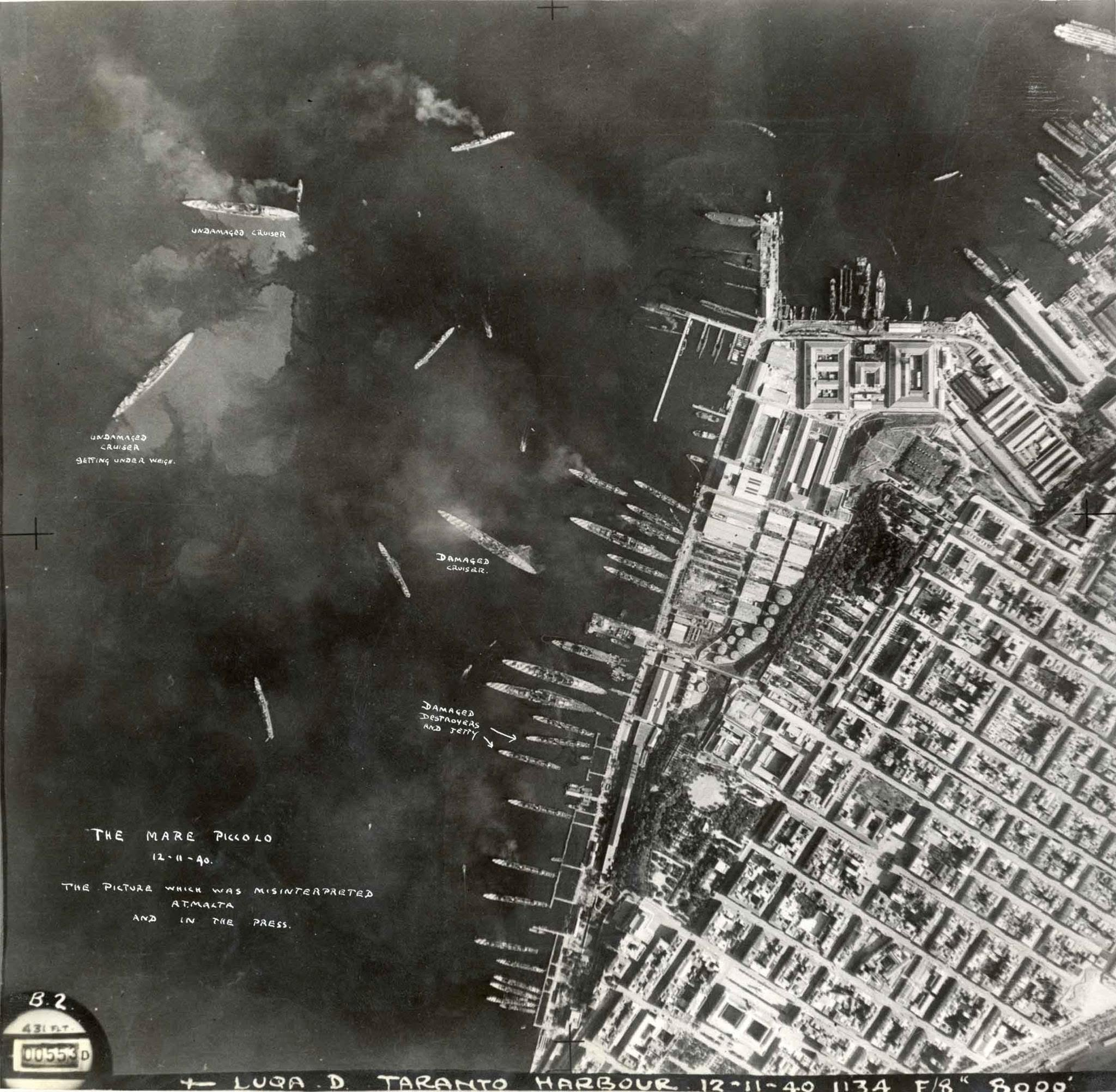
The scale of the achievement was extraordinary. Of the 21 Swordfish launched, one turned back before reaching Taranto. Of the 20 that attacked, two were lost, with two airmen killed and two taken prisoner. In return, the Fleet Air Arm had put three of Italy's six battleships out of action, including Conte di Cavour, which would never return to operational service. For such a small attacking force, the damage inflicted was remarkable, particularly given the risks the crews had faced.
The attack demonstrated that even a heavily defended naval harbour could not guarantee the safety of the warships anchored within it. Taranto challenged assumptions about the protection offered by naval bases and revealed the striking power of carrier-based aircraft, lessons that would take on even greater significance with the Japanese attack on Pearl Harbor just over a year later.
At Trafalgar in 1805, victory had depended on wooden sailing ships engaging their enemies at close quarters. At Taranto, 135 years later, aircraft launched from a carrier had struck an enemy fleet without the attacking warships ever entering the harbour. The contrast revealed just how profoundly naval warfare had changed.
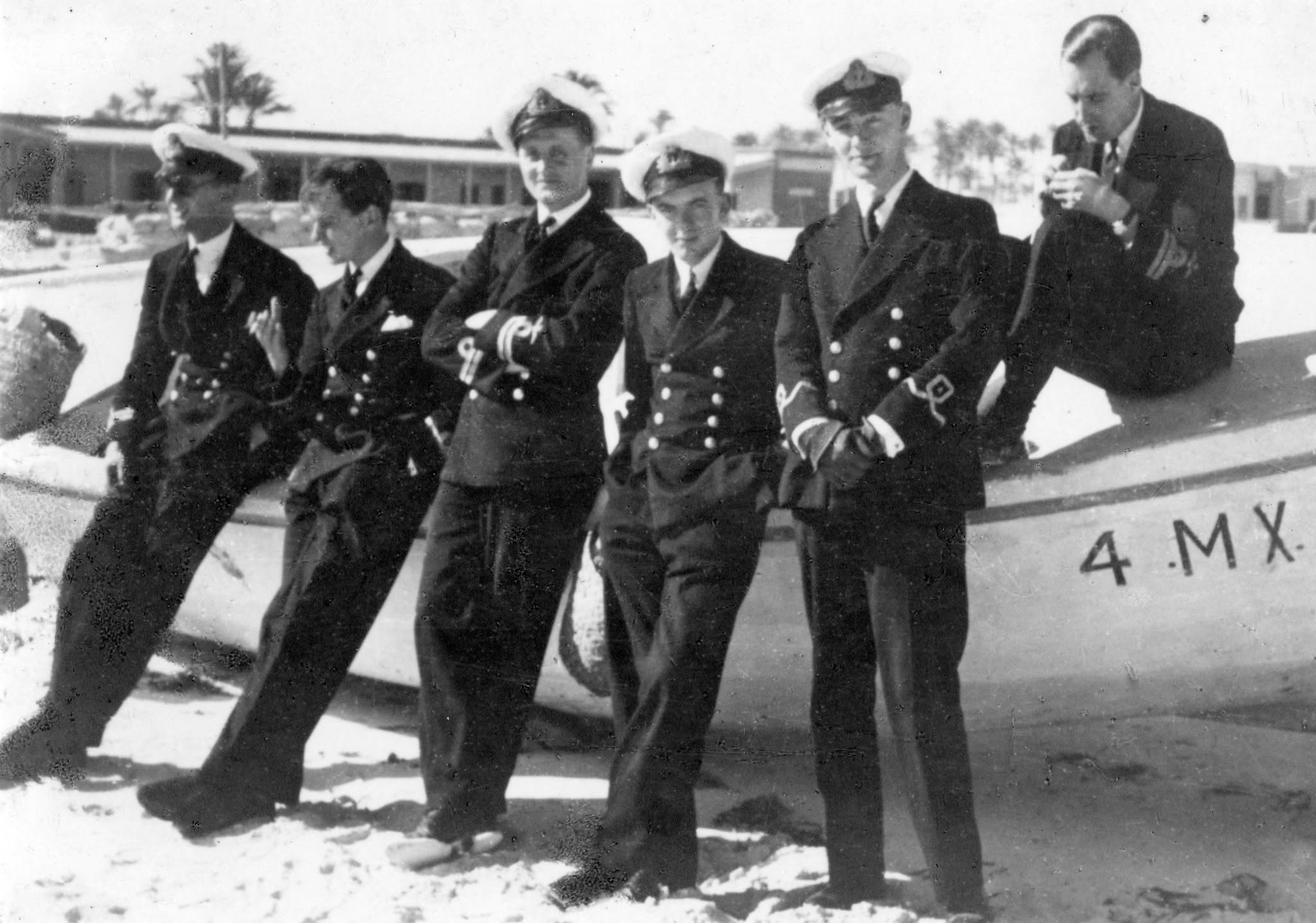
Although the weapons and methods of warfare had changed beyond recognition since Trafalgar, the success of the operation still depended on the skill, determination and courage of the men who carried it out, flying into a defended harbour in the darkness and knowing that not all of them might return.
Discover the remarkable history of the Fleet Air Arm at Royal Navy Museums: Naval Aviation in Yeovilton, Somerset. See a Fairey Swordfish up close and explore the aircraft, personal stories and technological developments that transformed naval warfare.
With research and editorial support from Steven Valentine, Curator (Archives).